
How to Create a Cozy Home on a Budget
Learn how to create a cozy home on a budget with simple, affordable ideas — lighting, textiles, color, and small swaps that make a big difference
HOME DECOR
7/1/20266 min read
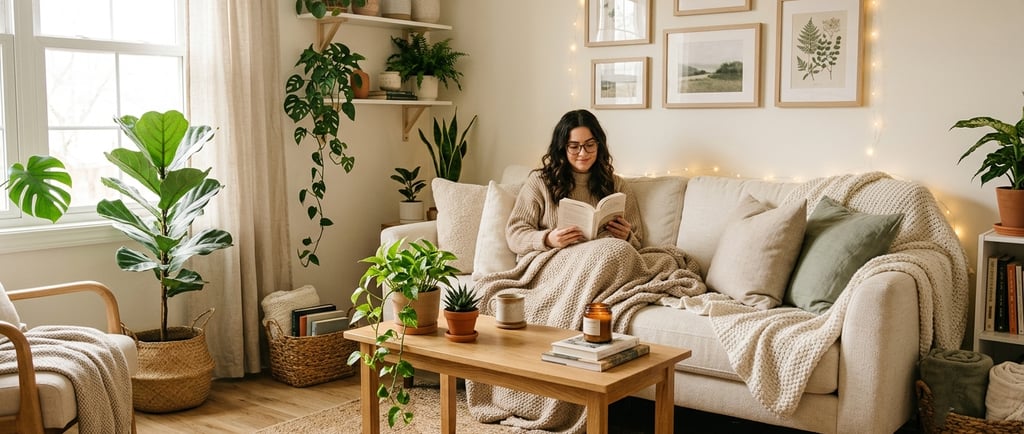
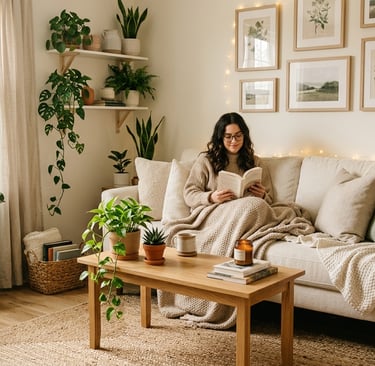
There's a certain kind of magic in walking into a home that just feels good — warm lighting, soft textures, a candle burning somewhere in the background. You settle in without even trying. And here's the thing most people don't realize: that feeling has almost nothing to do with how much money was spent.
Coziness isn't a price tag. It's a mood, and moods are built from small, intentional choices — the throw blanket draped just right, the lamp that casts warm light instead of harsh overhead glare, the little corner that feels like it was made just for you. Creating a cozy home on a budget is less about buying more and more about editing, layering, and being thoughtful with what you already have.
If your space feels a little flat, a little cold, or just not quite "you" yet, here's how to warm it up without draining your bank account.
1. Start With Lighting — It Changes Everything
If you take away just one tip from this whole post, let it be this one: lighting is the single most powerful (and most underrated) tool for coziness. Harsh overhead lighting makes even the most beautifully decorated room feel sterile, while warm, layered lighting makes an empty room feel inviting.
Budget-friendly lighting swaps
Switch your bulbs to warm white (2700K–3000K) instead of cool white or daylight bulbs — this alone transforms a room
Add a $15–25 table lamp to a dark corner instead of relying on ceiling lights
Use string lights or battery-operated candles for soft ambient glow in the evening
Turn off your main overhead light at night and let lamps do the work
2. Layer in Soft Textiles
Nothing says "cozy home on a budget" quite like textiles, and they're one of the cheapest ways to transform a room. A hard sofa with no throw pillows feels like a showroom. Add a chunky knit blanket and a couple of mismatched pillows, and suddenly it feels lived-in.
Where to find affordable textiles
Check thrift stores and marketplace apps for throw blankets and pillow covers — they're often barely used
Buy plain pillow inserts and sew or no-sew your own covers from fabric remnants
Layer a soft rug over existing flooring, even in a rental, to add warmth underfoot
Swap your bedding for flannel or waffle-knit sheets in cooler months for an instant cozy upgrade
3. Bring in Warm, Earthy Colors
Color has a huge psychological effect on how a room feels. Stark white walls and cool grays can read as clean, but they rarely read as cozy. Warm neutrals — think caramel, terracotta, warm taupe, and soft olive — instantly make a space feel more welcoming, and you don't need to repaint your whole house to get the effect.
Small ways to add warm color
Paint one accent wall instead of the whole room to save on paint costs
Add warm-toned throw pillows, curtains, or a rug instead of committing to paint
Swap out cool-white or gray decor accents for warm wood, rattan, or clay-colored pieces
Use removable wallpaper for a temporary color boost in rentals
4. Let Natural Materials Do the Heavy Lifting
Wood, rattan, woven baskets, and clay pottery all bring texture and warmth in a way that plastic or glossy finishes simply can't. You don't need to furnish an entire room in natural materials — even a few well-placed pieces can shift the whole feel of a space.
Affordable natural-material finds
Look for wood cutting boards, trays, and bowls at thrift stores to use as decor, not just kitchen tools
Use woven baskets for storage instead of plastic bins — they hide clutter and add texture
Add a few dried or faux branches in a simple vase for an organic touch that never wilts
Swap plastic plant pots for terracotta or ceramic ones, even secondhand
5. Declutter Before You Decorate
This one is free, and it might be the most important tip on this list. Clutter is the enemy of coziness — it creates visual noise that makes even a well-decorated room feel chaotic and stressful instead of calm and inviting. Before spending a single dollar on new decor, spend an afternoon editing what you already have.
A simple decluttering approach
Clear flat surfaces (counters, coffee tables, nightstands) down to just 2–3 meaningful items
Store everyday clutter in baskets or bins so surfaces stay calm
Donate or sell decor pieces that no longer feel like "you" — clearing space often reveals what your room actually needs
Rotate seasonal decor instead of displaying everything at once
6. Add Life With Plants
Greenery brings a softness and warmth that's hard to replicate with any other decor category, and it's one of the most budget-friendly ways to make a space feel alive. Even a single healthy plant can change the entire energy of a room.
Budget plant tips
Start with low-maintenance, inexpensive options like pothos, snake plants, or succulents
Propagate cuttings from friends or family instead of buying full-grown plants
Use thrifted mugs, jars, or bowls as budget-friendly planters
Group a few small plants together for more visual impact than one large one
7. Personalize With What You Already Own
The coziest homes aren't the most expensive ones — they're the ones that feel personal. Photos, handwritten notes, travel souvenirs, and sentimental objects add warmth that no store-bought decor can replicate, and they cost nothing extra because you already own them.
Easy personal touches
Create a small gallery wall using photos you already have printed at a local pharmacy or print shop
Display a few meaningful objects — books, souvenirs, handmade gifts — instead of hiding them away
Swap in seasonal candles with scents that feel like "home" to you
Frame a piece of your own art, a kid's drawing, or a pressed flower instead of buying generic prints
How to Create a Cozy Home Plan on a Small Budget
You do not need to decorate your entire home at once. A simple plan can help you spend money only where it will make a noticeable difference.
Step 1: Choose One Room
Start with the room where you spend the most time.
Instead of buying something for every room, focus your attention on one space and finish the main changes before moving on.
Step 2: Make a Free Decorating List
Walk around the room and write down what you already have.
Look for:
Blank walls
Unused baskets
Extra blankets
Decorative objects stored away
Books that could be displayed
Furniture that could be rearranged
Plants or containers that could be moved
You may already have enough pieces to make the room feel different.
Step 3: Identify the Biggest Problem
Ask yourself what makes the room feel less cozy.
If it feels dark, prioritize lighting.
If it feels empty, focus on textiles and wall decor.
If it feels cluttered, organize before buying anything.
If it feels cold, add warmer colors and natural textures.
Fixing the main problem is usually more effective than adding several unrelated decorations.
Step 4: Set a Spending Limit
Choose a maximum amount before shopping.
Then divide your budget according to your priorities rather than buying several small items simply because they are inexpensive.
For example, you might prioritize one useful textile, one lighting improvement, and one decorative accent.
The exact amount depends on your situation. The important part is deciding the limit before you shop.
Step 5: Shop Your Home First
Move accessories, lamps, blankets, pillows, books, and plants between rooms.
Try a few different arrangements and take photos from the doorway.
A photo can make it easier to notice whether the room feels balanced or overcrowded.
Step 6: Add Texture Before More Decor
If the room still feels plain, add one or two soft or natural textures.
A throw blanket, pillow cover, woven basket, wood accent, or small rug can add warmth without requiring a complete room makeover.
Step 7: Stop and Reassess
After making your main changes, live with the room for a few days.
Notice what is still missing before buying anything else.
This prevents small purchases from slowly turning into clutter and helps you spend your budget on things that actually improve the room.
Bringing It All Together
Creating a cozy home on a budget really comes down to layering: warm light, soft texture, a few natural materials, and personal touches that make a space feel like yours. You don't need a full renovation or a new furniture set — you need intention. Start with one room, focus on lighting and textiles first since they make the biggest visual impact, and build from there. Coziness is less about spending and more about noticing what your space is missing and filling that gap thoughtfully.
Frequently Asked Questions
What is the cheapest way to make a home feel cozy? Changing your lightbulbs to warm white and adding a soft throw blanket or a couple of pillows are the two cheapest, highest-impact changes you can make.
How can I make my apartment cozy without spending a lot? Focus on lighting, textiles, and decluttering first — all three are low-cost or free and make the biggest visible difference, especially in a rental where big changes aren't possible.
What colors make a room feel cozy? Warm neutrals like caramel, terracotta, warm taupe, and soft olive green tend to feel cozier than stark white, cool gray, or bright white tones.
Do plants really make a room feel cozier? Yes — greenery adds softness, texture, and a sense of life to a space, and even one or two well-placed plants can noticeably warm up a room.
How do I make my home cozy for fall and winter on a budget? Swap to flannel bedding, add warm-toned throw blankets, switch to candles or warm-light lamps, and bring in a few natural textures like wood or wool to instantly create a seasonal cozy feel.
CozyLoop Home
CozyLoop home is a modern platform dedicated to crochet, DIY projects, and home decor inspiration.
Contact
© 2026. Cozyloop Home. All Rights Reserved